CO OP Radio Interview 100.5fm


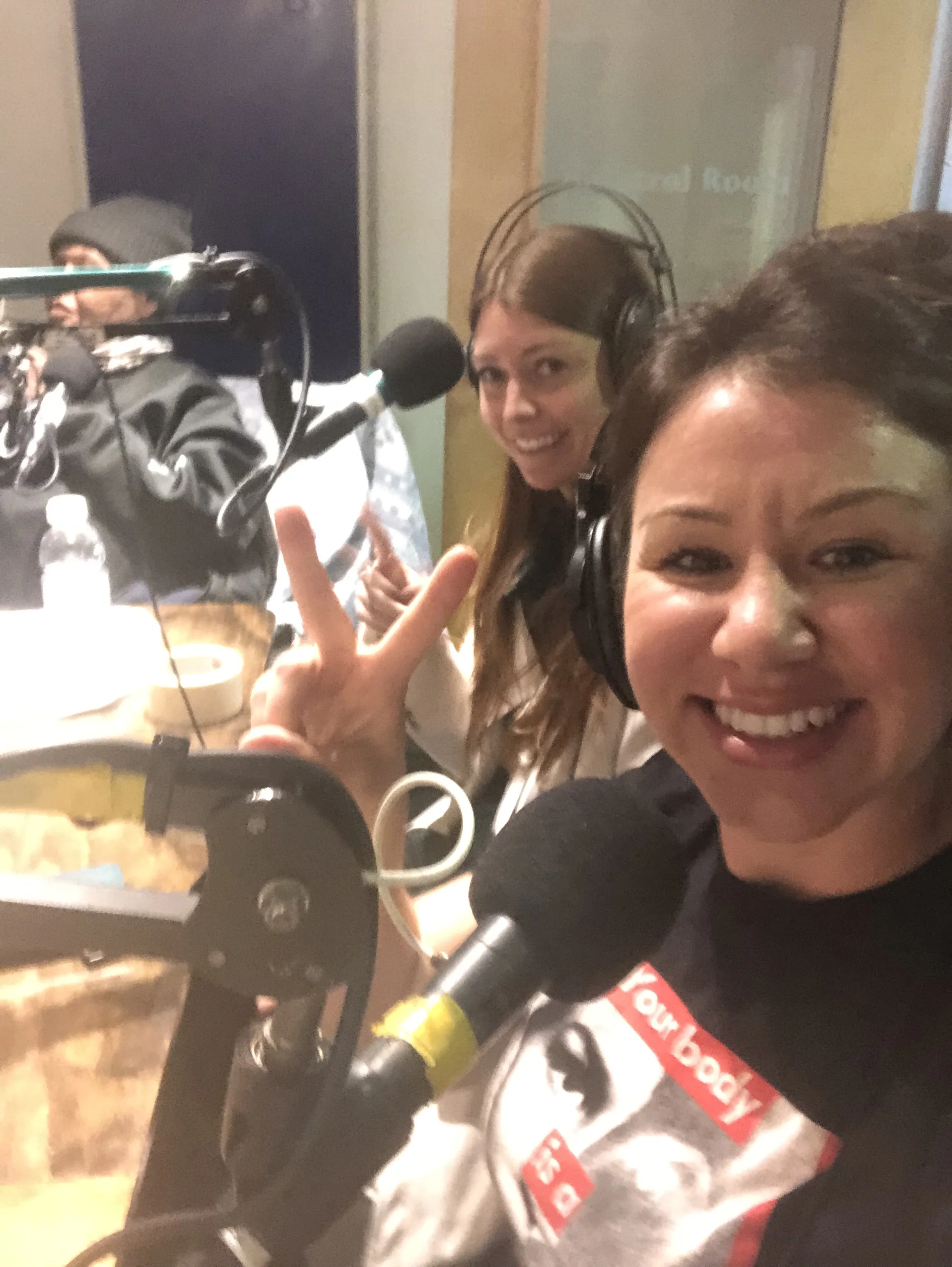
Interview Part One
Interview Part Two
I am very grateful to Co-op Radio and Sarvenaz Amanat, for the 1.5 hour interview on Monday April 15th, 2019.
We had the chance to discuss my current exhibition at Gallery 1515, the Earth Month events I’ve organized to coincide with the exhibition and of course we talked about my art practice and passion for environmental preservation.
Please have a listen to the links above.
This was my first radio experience, and I absolutely loved it! I am so grateful for the opportunity to work with Vancouver’s Co-operative Radio Station (CFRO, 100.5FM) which is an innovative non-profit community radio station & podcast recording studio. Their mission is to provide a voice for those underrepresented in mainstream media.
Each week, Co-op Radio provides access to community space, training and equipment for 300+ volunteers who produce 140 hours of original programming, in over 10 languages.
They are a mosaic of 90 unique Radio Show collectives, supported in partnership by some of the most respected non-profit organizations in the province. Their beautiful Radio Station is a jewel in the heart of the city, and since 1975 they have celebrated the GVRD’s rich cultural diversity through arts, music, and spoken word programming. Check them out for non-commerical, ‘real-talk’ radio!
EARTH MONTH

Earth Month YVR, that has such a nice ring to it!?
It’s a concept I came up with, in attempts to start a local movement that focuses the month of April into ‘Earth Month,’ opposed to just a single Earth Day (April 22).
To get started on this concept, I decided to see what I could do for this April 2019, and then see where I could take it in following years.
I am pleased to say, and due to the tremendous support of Sarvenaz Amanat (Gallery 1515) and curator Allison Thompson (AT Art and Interiors), I’ve been able to coordinate a two part speaker series, as well as a month long exhibition; debuting my latest environmental series Anthropocene; The Present I.
The ultimate goal for this year is to try and generate awareness through visual artwork and empower community through events with resource sharing and inspiring speakers.
The art exhibition runs from April 5 - 25th | Monday to Friday from 9-5 and on weekends by appointment
And our public empowerment evenings, will be hosted at Gallery 1515 on April 11th and April 18th.
We are very grateful to have this inspiring line up of female activists speaking!
On our ‘Evening for Climate Change’ (April 11 @ Gallery 1515 from 7-9pm) we have:
Izzy Czerveniak, Western Organizer of David Suzuki Foundation’s Blue Dot Movement
Erzsi Institorisz, Co-Founder of GreenSeeds Music Society, Climate Reality Project Leader, Suzuki Speaks
and ButterflyWay Project Ranger with the David Suzuki Foundation
And on our ‘Evening for Ocean Conservation’ (April 18 @ Gallery 1515 from 7-9pm) we have:
Dr. Elaine Leung, Founder & Executive Director of Sea Smart
Marin Davidson, Events Director of Vancouver’s chapter of Surfrider Foundation
In addition, I will also be speaking each evening about how environmentalism has influenced my practise, my personal experiences with low carbon living and how I got started!
I’ve created a brief post below, that is a condensed review of my talk.
It’s comprised of the steps I took as an individual to reduce my environmental impacts, and I have linked some resources that I personally have found very useful during my transitions.
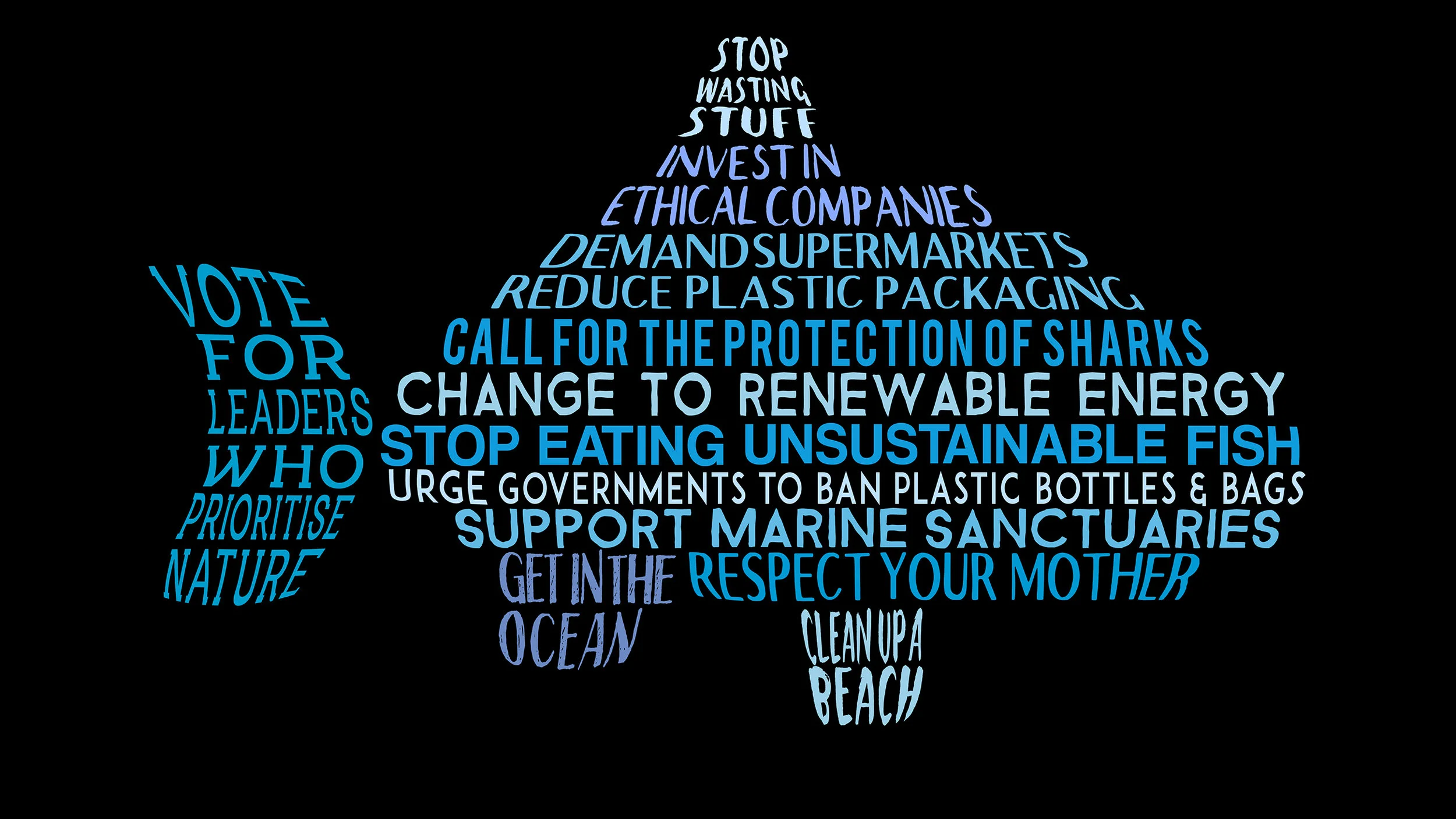
Fish typographic artwork above was created by BLUE THE FILM
#bluethefilm

STEP 1 - Awareness
The documentaries listed on the sheet are all linked at the bottom of this page.
Most are available on Netflix and others can be downloaded.
Again, my all time fav is MISSION BLUE. I highly recommend this film and promise it will touch your heart! (it's available on Netflix)
Step 2 - Alternatives
My go-to resources that have been key to finding 'GREEN' alternatives:
LIFESTYLE
This living Blue GUIDE
Ted Talk - Sustainability
David Suzuki Foundation
Queen of Green
City Of Vancouver - Green Living
Green Choices
Wiki How - Eco Lifestyle
Plastic Free Living
Global Stewards
Here are a few pdf links for DIY eco friendly recipes:
Home Care
Hair Care
Body Care
Baby Care
Reef safe Sunscreen List
FOOD
Ted Talk - Weekday Veg
Amazing Vegetarian Recipes
Eating Sustainably
Carbon Foodprint
Sustainable Restaurants in Vancouver
CARBON OFFSETS
handy carbon footprint calculator.
portfolio of dozens of projects around the world
ORGANIZATIONS TO FOLLOW/MAILING LISTS TO JOIN
The Ocean Clean Up
Surf Rider
Oceana
5 Minute Beach Clean Up
350.org
Al Gore's Climate Reality Project
Dogwood BC
WWF
Suzuki Foundation
Blue Dot Movement
Greenpeace
Sum Of US
Sea Legacy
Georgia Straight Alliance
Care to Action
YOUTH PROGRAMS
WWF
Suzuki Foundation
Sea Smart
educational programs -the film BLUE
Step 3 - Action
As simple as it sounds - take action. Right here, right now, just start. Once you take this step, everything intuitively starts to fall into place; I promise. And the more you commit to in lessening your environmental impacts, the more benefits you’ll see in your health; both physical and mental!
I also encourage people to join the community of folks that are actively participating in environmental events, like shoreline clean ups, rallies and demonstrations, film screenings at local hubs like Patagonia!
The people that I’ve met through my attendance to these events, have been some of the kindest, most inspiring individuals, that are very inclusive and welcoming. The goal is genuinely to get as many people to come together as possible. That is where the power is, and it’s a great movement and community to be apart of. I am sure you’ll make some incredible friends!
I would love to read in the comments below if anyone has great resources to share, wants to discuss the triumphs or challenges from personal experiences with lifestyle changes or if anyone wants to reach out to me for support - please feel free to get in touch any time!

BLUE

Last week I attended a screening for the film BLUE. This is hands down one of the most powerful films I have ever seen! I watch A LOT of documentaries, and they all touch your heart, but this film, literally grabs your heart! I would encourage everyone to attend a local screening and bring friends and family with you! Every human on the planet needs to be educated on the dire state of our oceans. We are in a critical situation, and I feel like people don’t realize just how close we are to the brink of global catastrophe; nor how imperative oceanic systems are to sustaining all forms of life. I promise, if you dedicate an hour and a half to watching this film, you will be compelled to do your part. However big or small that is, we all need to act!

I especially loved how the film ended with a direct call to action in the form of a typographic fish (pictured above), composed of actions that every individual can easily engage in; ones that will help in sustaining the world's oceans.
Check out the film's tailer below
The film also has a fantastic website ! It hosts incredible images, educational programs for youth, comprehensive information regarding the challenges they present in the film, and a well prepared resource page for individuals and for communities wanting to take action. I would urge anyone that is passionate about the oceans, check out this site and commit to some of the lifestyle suggestions that will greatly impact the oceans in a positive way!

I hope you enjoy this film as much as I did, and thank for your continued interest in this blog and for doing your part to protect the environment!
David Suzuki's Wise Words

I have been a long time subscriber to the David Suzuki Foundation's newsletters. Yesterday's edition contained insightful words, written by David himself. I encourage you to take 5 minutes out and read his powerful statement:
I’m often introduced as an environmentalist. I prefer to be called a father, grandfather, scientist or author, as these terms provide insight into my motivation. Environmentalism isn’t a discipline or specialty like law, medicine, plumbing, music or art. It’s a way of seeing our place in the world and recognizing that our survival, health and happiness are inextricably dependent on nature. To confront today’s environmental crises, everyone — garage mechanics, construction workers, dentists, politicians and judges — has to see the world through an environmental lens.
I recently attended an event with a panel of outstanding athletes and artists who had become activists on various environmental issues. The moderator asked what role awe had played in their commitment. Their answers revealed how inspiring it is to experience that sense of awe in the face of nature’s beauty.
I couldn’t help thinking that two more words should have been added to the discussion: humility and gratitude. As the panel grappled with the issue of ecological degradation, the idea emerged that all we need is to be more aware so we can use science and technology to solve the crises.
We’re clever animals — so smart that we think we’re in command. We forget that our inventions have created many crises. Atomic bombs represented an incredible scientific and technological achievement, releasing the power within atoms. But when the U.S. dropped them on Japan in 1945, scientists didn’t know about radioactive fallout, electromagnetic pulses or the potential for nuclear winter. Those were discovered after we used the weapons.
Swiss chemist Paul Mueller won a Nobel Prize in 1948 for his discovery that DDT was a potent insecticide. Many years after the compound was put into widespread use, biologists discovered a previously unknown phenomenon: biomagnification up the food chain.
When people started using chlorofluorocarbons, no one knew they would persist in the environment and float into the upper atmosphere where the sun’s ultraviolet rays would cleave away chlorine-free radicals. As a geneticist, I only learned about the protective ozone layer when other scientists reported that chlorine from CFCs was breaking it down.
Our knowledge of the biological, chemical and physical components of the biosphere and their interconnections and interactions is too limited to enable us to anticipate the consequences of our inventions and intrusions. Nevertheless, we look to our creativity to lead us to a better world with nanotechnology, genetic engineering, artificial intelligence, geoengineering and space travel.
What we need is humility. Clever as we are, nature is far more creative. Over 3.8 billion years, every species has had to evolve ways to find food, water and energy, and to dispose of wastes, find mates, reproduce, avoid predators and fend off parasites and infections. Nature offers myriad solutions that we have yet to discover. If we had the humility to learn from nature, using an approach called “biomimicry,” we would find far more and better solutions.
The Canadian Cancer Society recently reported that half our population will develop cancer. This isn’t normal, but it shouldn’t surprise us. After all, we have synthesized hundreds of thousands of new molecules that have never existed on Earth. Most have never been tested for their biological effects and tens of thousands are now used in products and enter our waste stream.
When we dump this vast assortment of new molecules into air, water and soil, we can’t anticipate how they might interact within living organisms or what their long-term consequences might be. Throwing more money into cancer treatment and research will not alone stem the disease. To arrest the cancer crisis (and it is a crisis), we must stop using the biosphere as a garbage can or sewer for these new molecules.
Along with humility, we should be grateful for nature’s generosity, something I’ve learned from Indigenous peoples. They acknowledge the source of their well-being, clean air, clean water, clean food and clean energy — all things that are created, cleansed or replenished by the web of life around us. In the urbanized industrial world we inhabit, we tend to think the economy is the source of all that matters to us, and so we have little regard for what we’re doing to the natural systems that sustain us. It’s time to see with new eyes.
Save the Ocean
It can be overwhelming when you become aware of the many challenges facing humanity.
But let's face it, ignorance is not bliss, maybe for a short while, but not in the long run.
The trick is to pick your battles. Find a cause that resonates with you personally, and then take action. Myself, well I've chosen a number of causes, however, my biggest one is preservation of the ocean. As mentioned yesterday, the film Mission Blue, really opened my eyes to the global crisis facing our world's oceans. We do not have a future without healthy oceanic eco systems, therefore I felt, and still do feel, that this should be the number one focus of World Leaders.
So what can the average person do in the mean time?
A LOT!
Here is a brief list of lifestyle changes that have a huge impact on our oceans:

PLASTICS
In reality, consumers have all the power and what we demand, is what will be manufactured.
Plastics are devastating to all eco systems and are culprits of causing cancers and other toxic disorders.
We all need to eliminate single use plastics and try to avoid all plastics in general.
Guess what, this is a lot easier than you think!
I've been reducing my plastic consumption for years - and it gets easier every day!
This has a massive impact on the oceans; which are estimated to contain more plastics than fish in the next 10 years!!!!
Check out this awesome resource for 100 steps to a plastic free life
A little overwhelmed? Don't be.
Just choose three or four plastics to eliminate to start. Make goals and in no time, I guarantee you'll be mindful of every piece of plastic that crosses your path.
I started with bottled water.
For five years I haven't purchased a bottle of water.
I carry a metal water bottle everywhere ( even when traveling) and I drink tap water (except in third world countries).
Another useless plastic I did away with was straws.
Really, unless you physically need one, don't use them. They are notorious for killing sea mammals and reptiles; aka whales and turtles!
And how about plastic bags - there's your third one.
Did you know that almost every grocery store still offers paper bags? Whole Foods has the best paper bags for sure, but Safeway, Save On, IGA, etc all have them - you just have to ask. I often skip a bag all together to be honest! There are many ways to avoid plastic bags, choose what works best for you.

LITTER
I can't walk past litter! It's become something that I stop and pick up every single day. Why do I do it? Because I know eventually that piece of litter has a great chance of strangling a sea otter or choking a turtle, or whale, or bird - or heck, I might ingest it myself down the line.
SO I PICK IT UP!
It's not hard to do, I don't feel gross after ( I actually feel great), and I love people looking at me when I do it, because I hope that one day, everyone will feel responsible to protect the environments we cherish and the innocent creatures that get caught in our pollution.
Inspired? Great!
Next time you're at the beach, or walking near a river, or see something headed for a storm drain, be a good human and pick it up. That's all it takes - and it makes a world of difference!
If you want, you can also get involved in a shoreline cleanup!
The Great Canadian Shoreline Cleanup was founded by the WWF and every year they organized hundreds of cleanups across the country. Check out their website to register for an event or, even better, start one of your own. I'll come!
Make it an annual family tradition, a team building exercise, or an excuse to make new friends; and know that you'll be making a difference in a world that desperately needs to get a handle on litter.
Lastly, smokers - I beg of you, please do not litter cigarette butts. They do not biodegrade and they are the most abundant form of litter on the planet! They poison waterways and kill wildlife. There is no excuse to flick your butt, please throw it in the garbage or a receptacle.
CHEMICALS
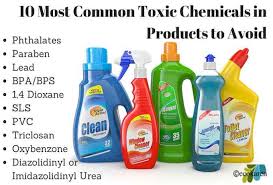
Be aware of the chemicals you are using that ultimately go down the drain.
It is way healthier to use eco friendly; shampoos, body soap, dish soap, household cleaners, etc.
Luckily consumers have demanded these products, and they are less expensive now than ever.
They work well, aren't toxic and sustain a healthy ocean.
The David Suzuki Foundation is a great resource for eco lifestyle practices.
I especially enjoy the blog by the Queen of Green !
Here are a few pdf links for DIY eco friendly recipes:
Home Care
Hair Care
Body Care
Baby Care
If you don't have time to whip up your own products, I personally use Dr Bonner's castil soap for almost everything. Everything else I need, I purchased at Whole Foods. I carefully select brands that, yes cost slightly more, but are eco friendly.
It's a win- win!
I am healthier for using less chemicals, I save money when I make products myself and I am not poisoning eco systems!

SEAFOOD
Be conscious of your demand and try to eat responsibly!
The list above (click to enlarge) highlights options and what to avoid.
SUNSCREEN
Maybe you already know this, but if not - DO NOT wear sunscreens in the ocean unless they are eco friendly!
The chemicals in sunscreen are killing coral reefs, globally! It's a huge crisis. Don't believe me, check out this National Geographic article on what's happening.
Now you know!
Here is a list of sunscreens that are eco friendly.
This link provides ratings from consumer reviews regrading; price, ingredients, and effectiveness,
I personally use Goddess Garden, and again I purchase this at Whole Foods, where they guarantee every product they sell. If you don't like, they'll refund you no questions asked.

MICROFIBERS
I saved this one for last! It's shocking to think every time we do laundry, we are polluting the ocean and contaminating the food chain.
Please take a quick look at this article to educate yourself on what might be one of the biggest pollutants of all - microfibres.
What can we do to stop this?
I recently pledged $20 to a company that is dedicated to making an easy-to-use laundry ball that catches microfibers shedding off our clothes in the washer.
Check out their campaign
You can also:
*avoid buying fleece and cheap fabrics/clothing
*use/purchase front loading washers
*do less laundry
*sign up to mailing lists to receive news on solutions as they are discovered.
Thank you reading this post. As always, I am more than happy to answer questions!