
Interglacial
Interglacial is a landmark multi-year project developed during my tenure as United Nations Artist-in-Residence for the International Year of Glacier Preservation. Grounded in a year of fieldwork across Canada, the project brings together nine large-scale installations that translate scientific inquiry into immersive contemporary art.
Opening as a solo exhibition at The Reach Gallery Museum on June 27, 2026, Interglacial is conceived as a touring exhibition, with Two Rivers Gallery presenting the first touring venue from November 2026 to January 2027, followed by national touring.
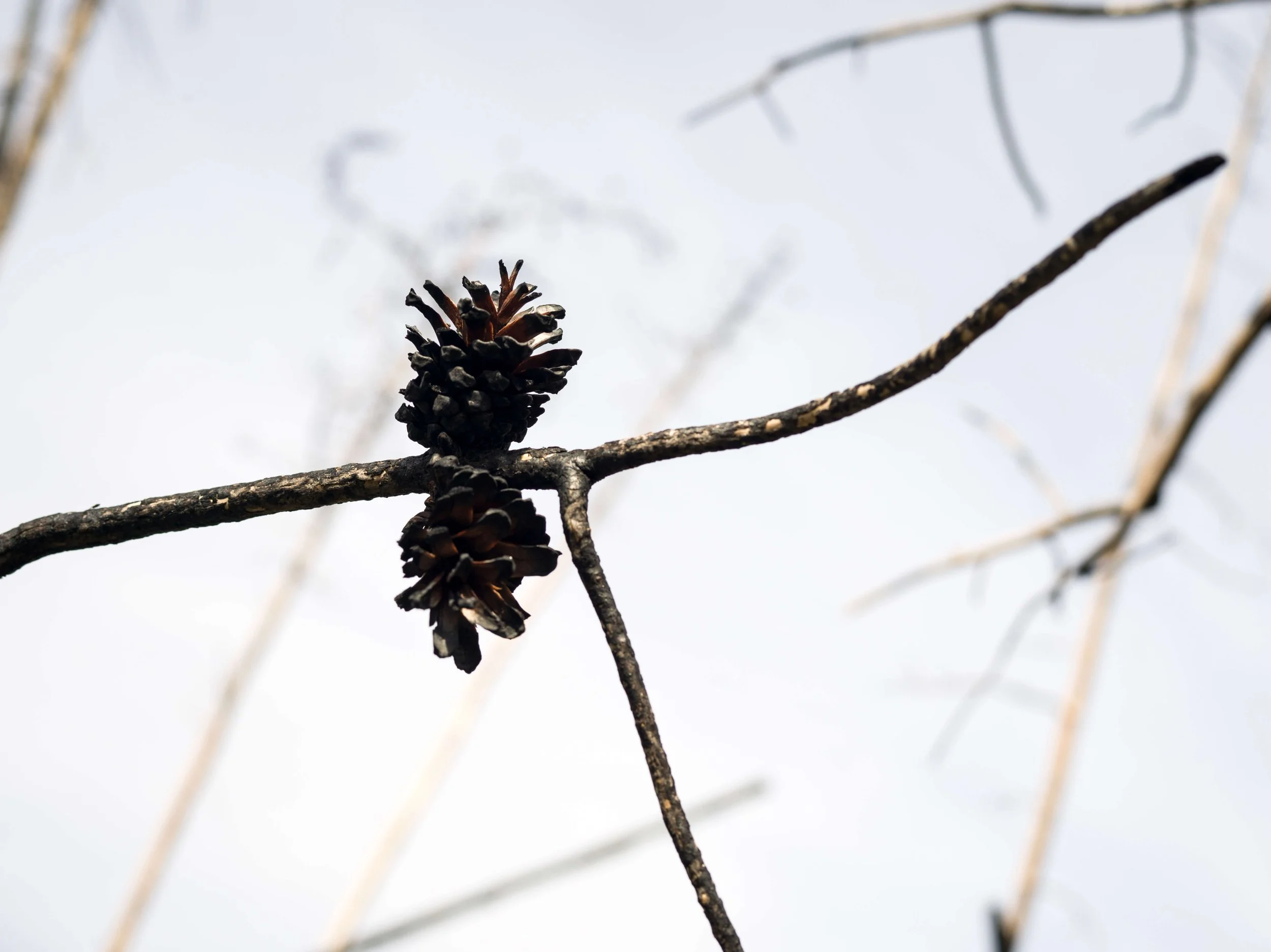
Drawing from remote glacier expeditions, Arctic ice-core research, wildfire ecology studies, and historic repeat-photography archives, the exhibition transforms data and field-based observation into works that hold both visual beauty and climatic urgency. Installations include a monumental suspended cyanotype textile made directly on glaciers, lenticular photographic sculptures derived from Mountain Legacy Project datasets, ephemeral sculptures that reference atmospheric histories, and multi-sensory environments shaped by light, sound, and climate data.
At its heart, Interglacial invites audiences to consider glaciers not as distant symbols, but as vital reservoirs of freshwater, memory, and cultural continuity. By integrating art, science, and community voices, the exhibition seeks to foster dialogue, deepen emotional connection, and inspire action in a time of profound planetary change.
Further details on the associated scientific symposium and related exhibition programming will be announced closer to the opening.
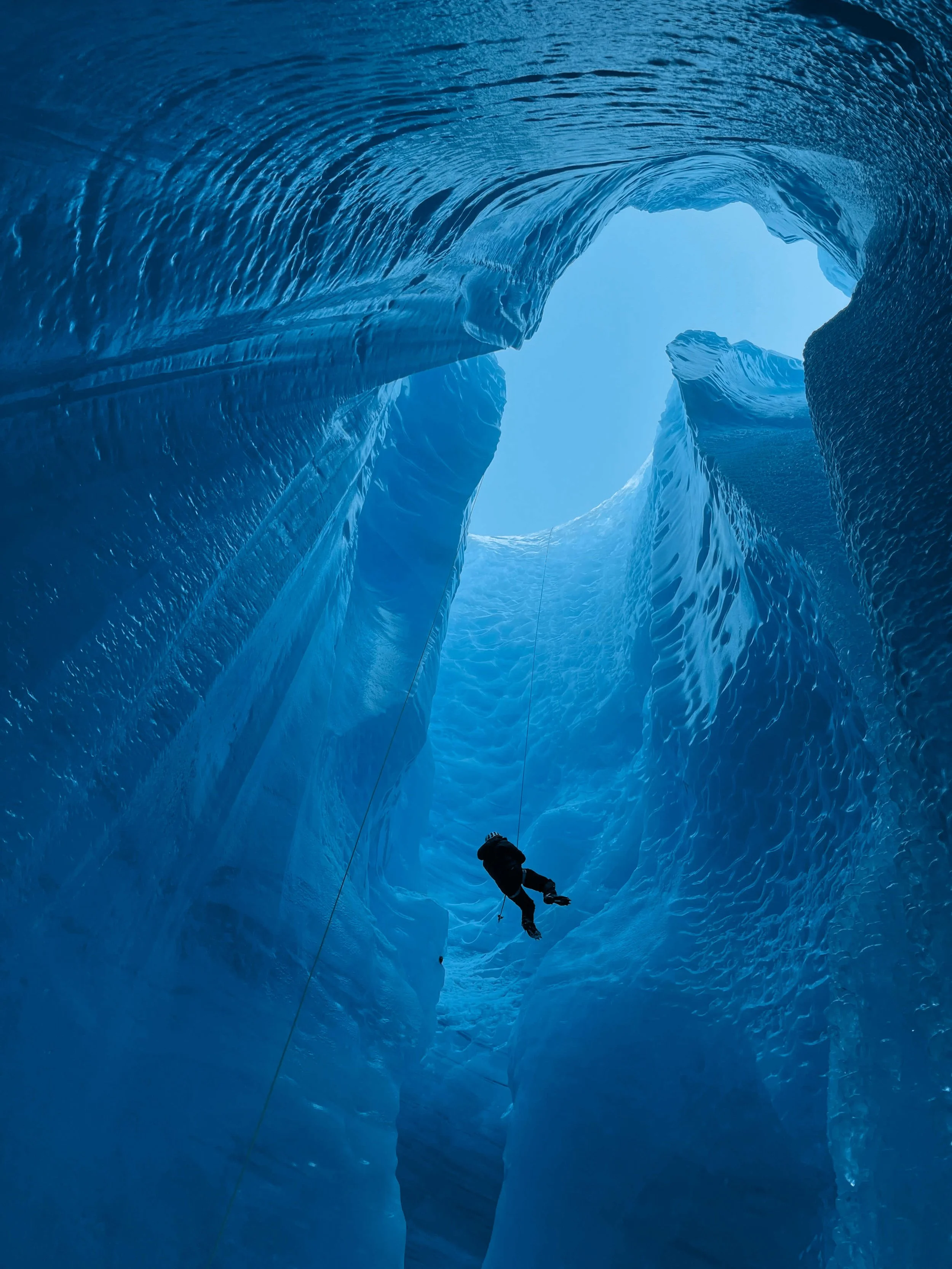
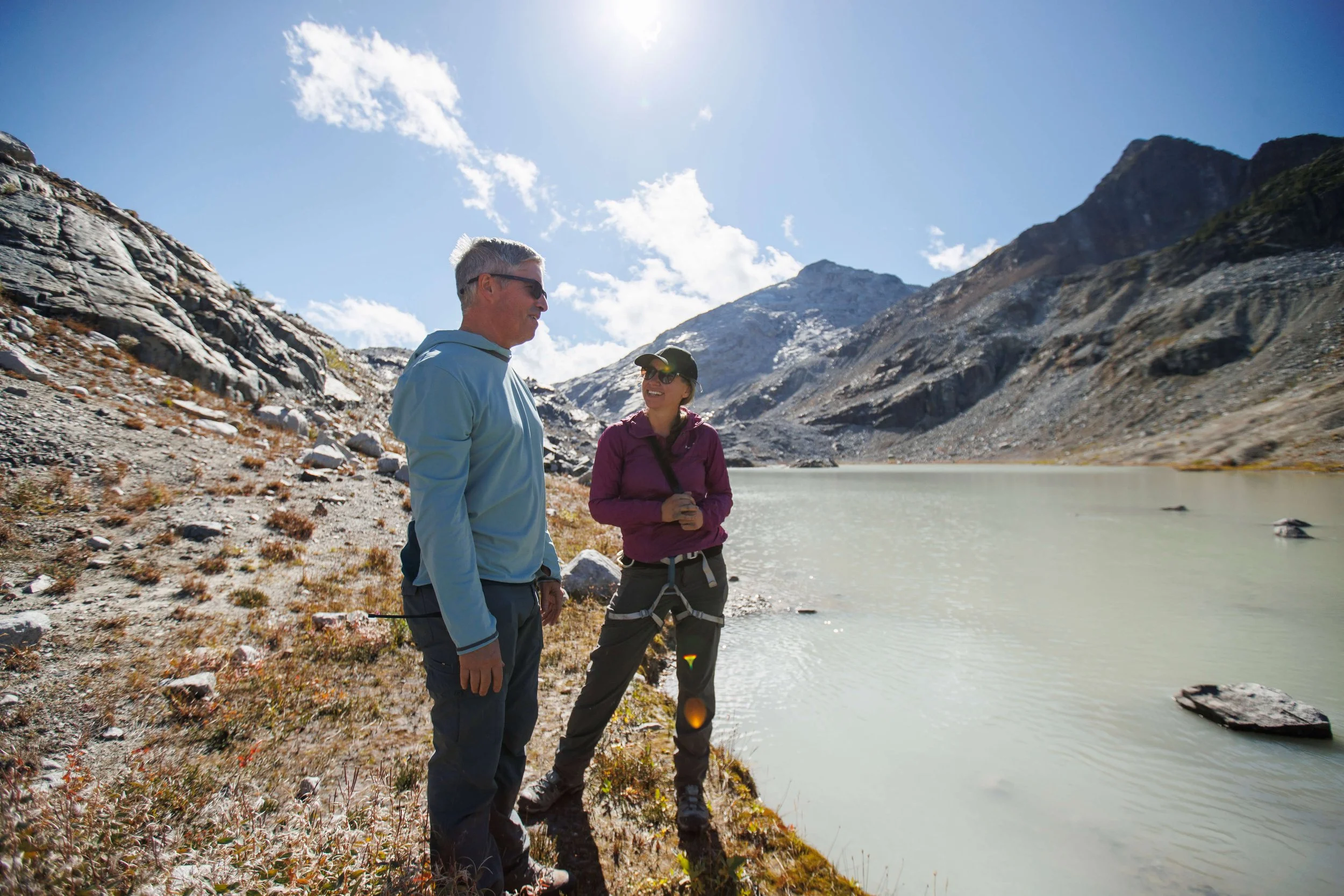
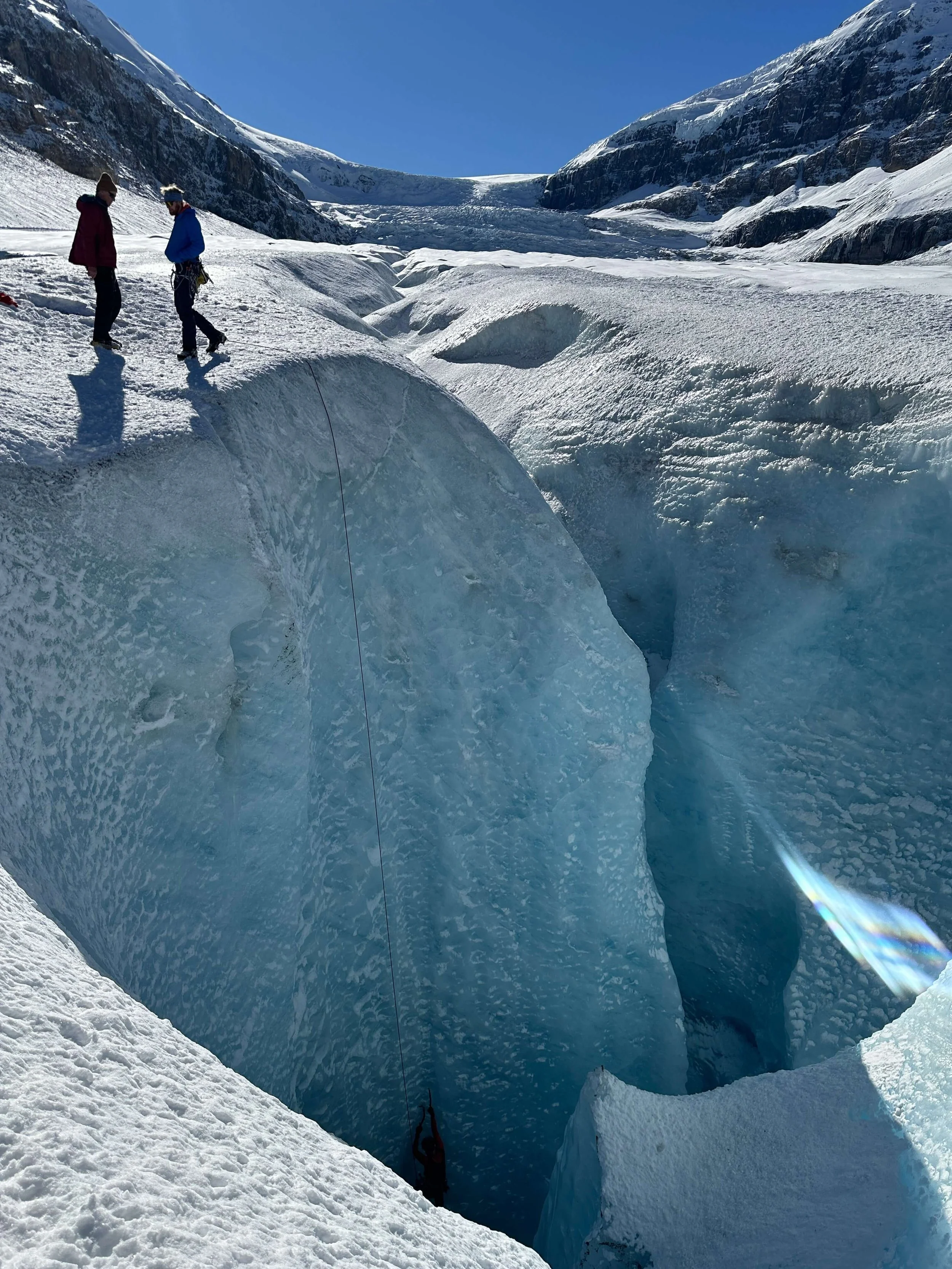
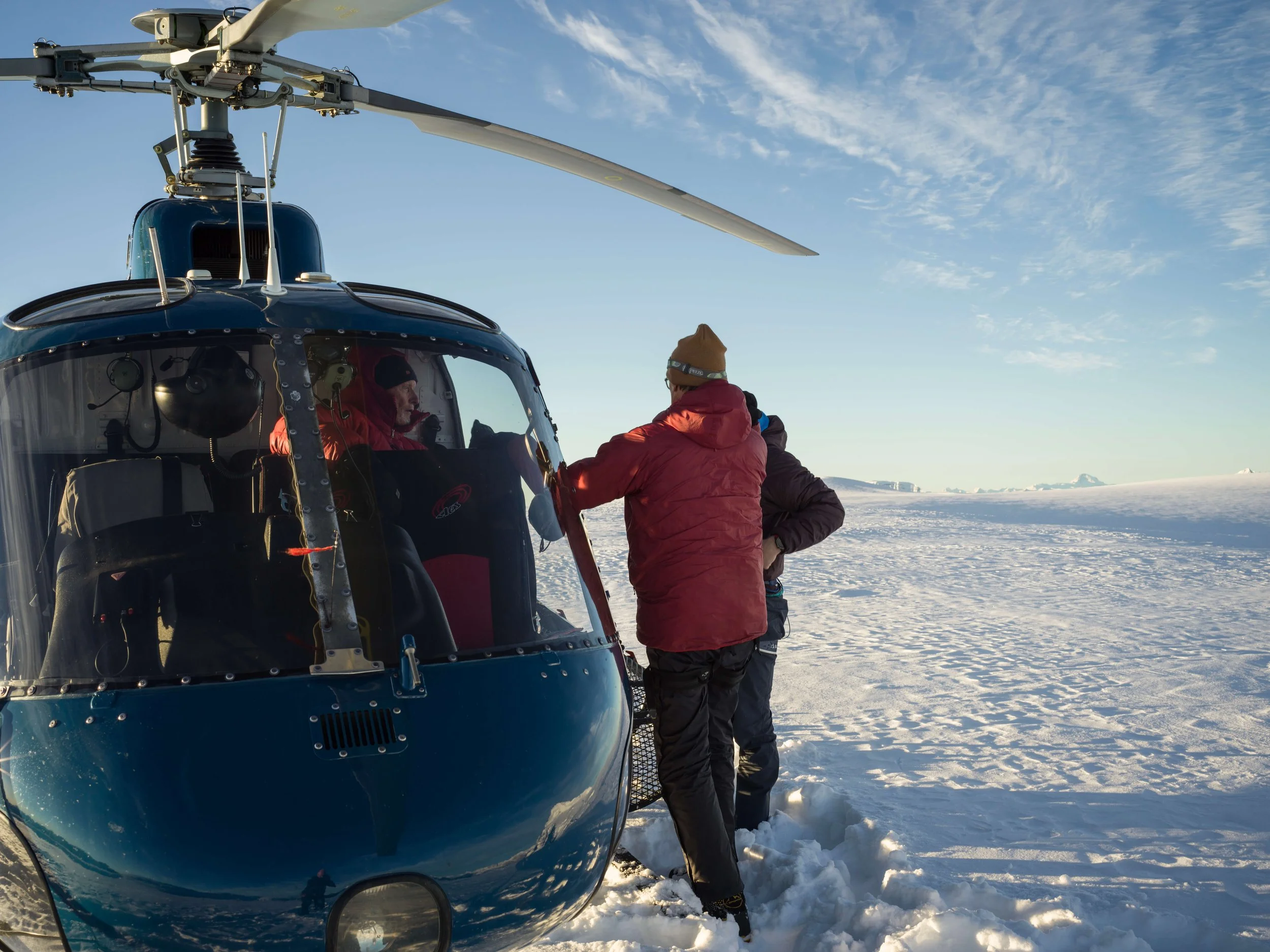
60-foot rappel into Athabasca Glacier - moulin fieldwork with Guardians of the Ice, Image by Roger Vernon
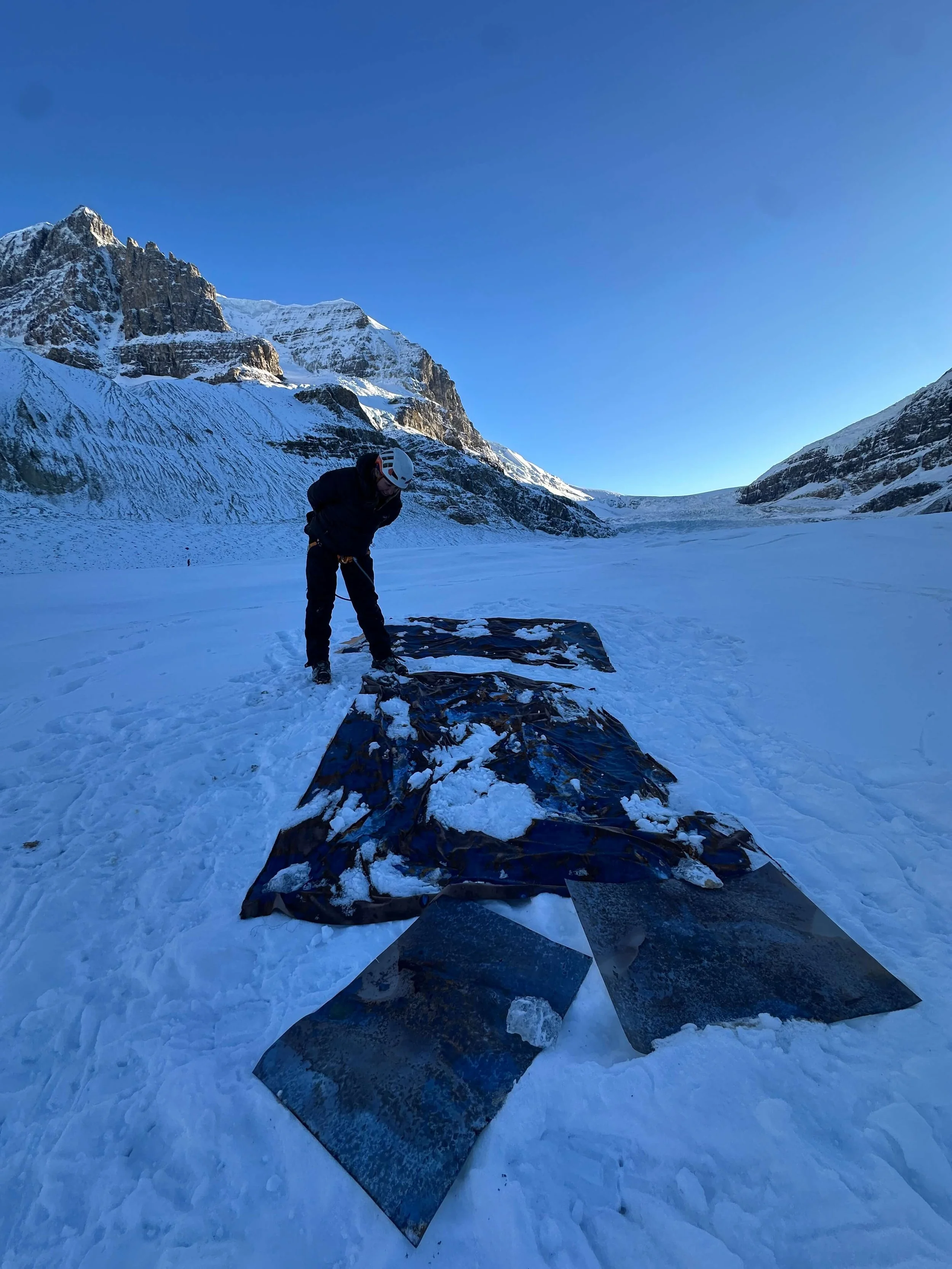
In situ cyanotype exposures at the toe of Columbia Glacier - October 2025
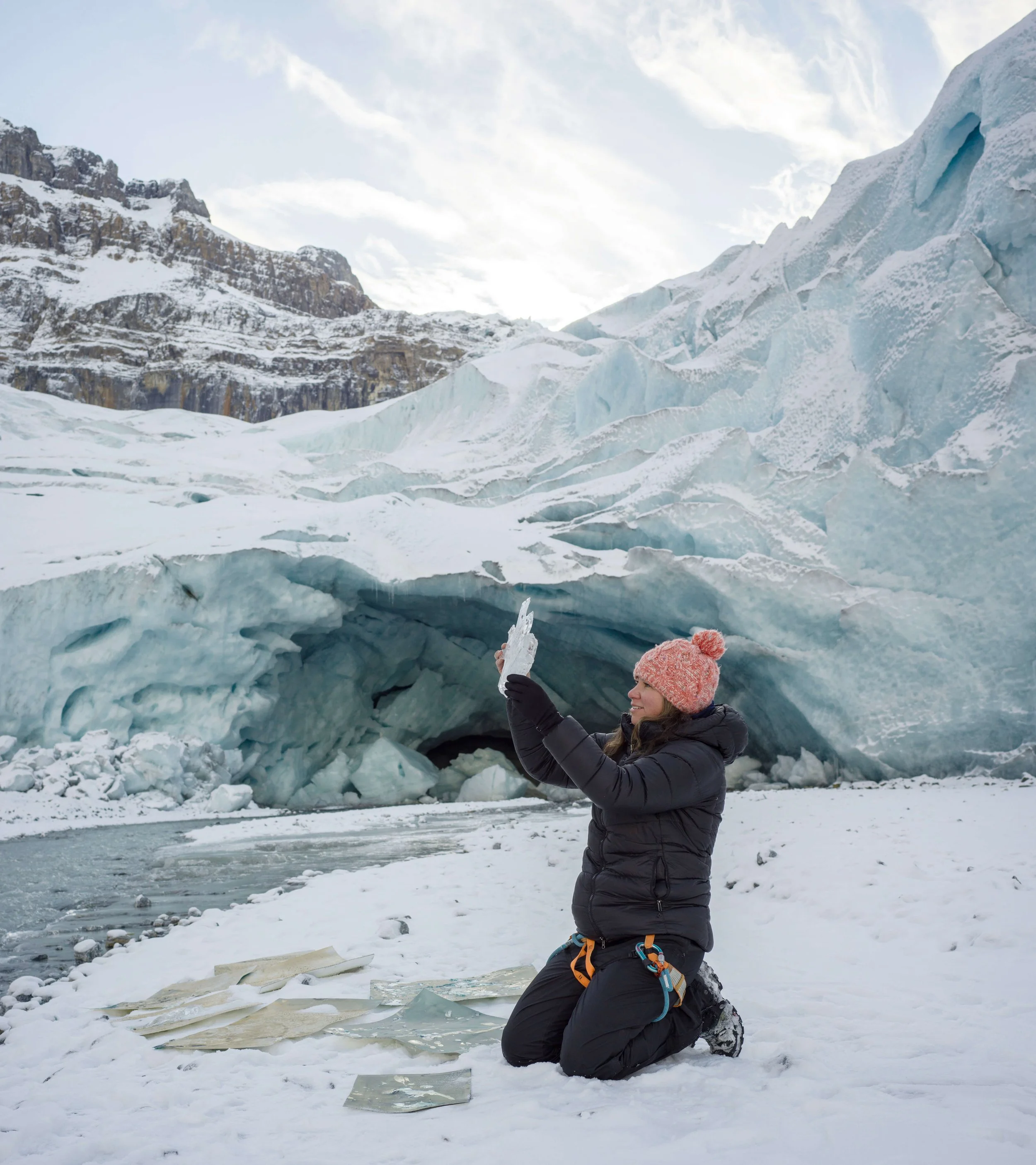
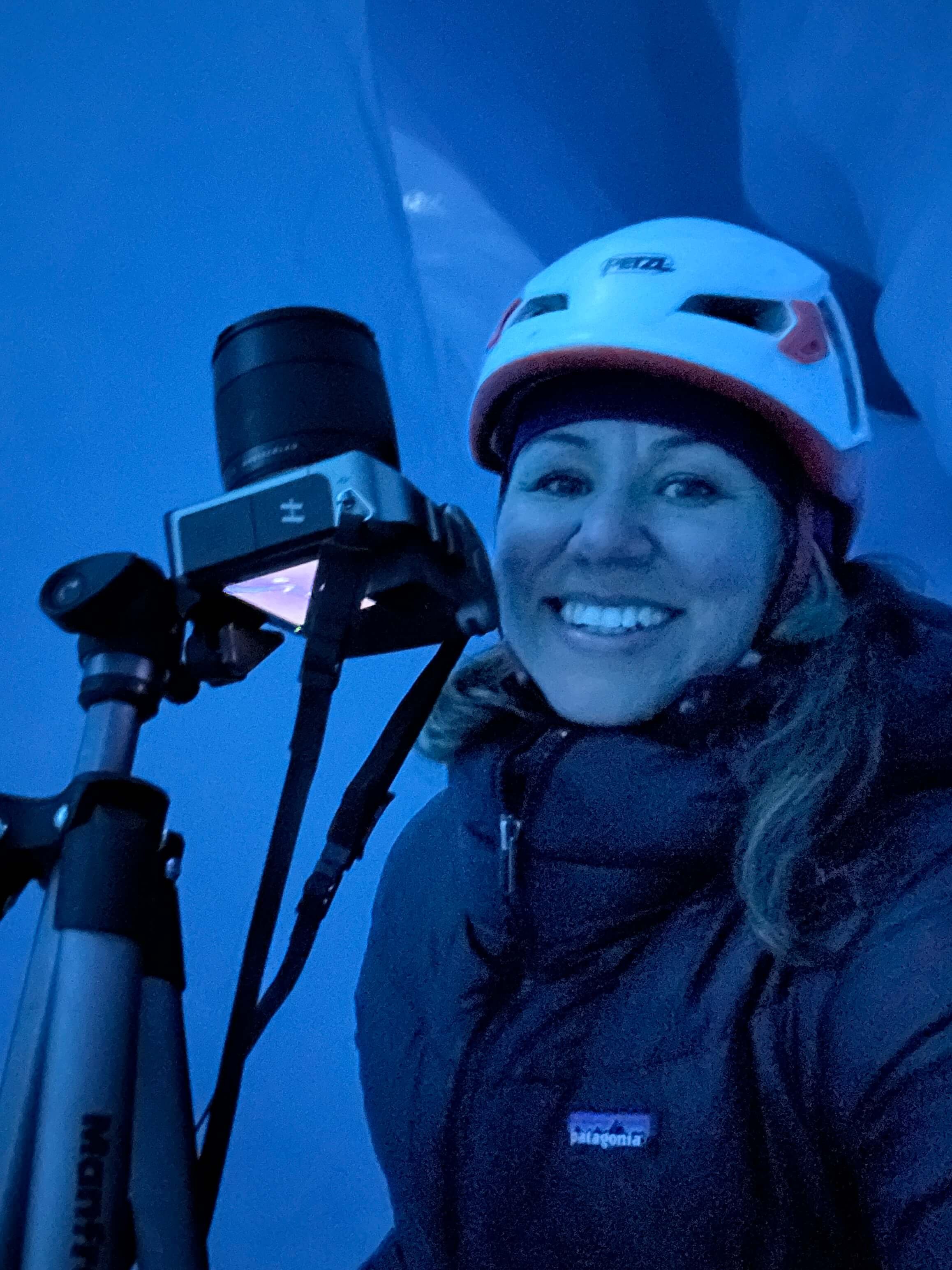
Image by Dylan Cunningham
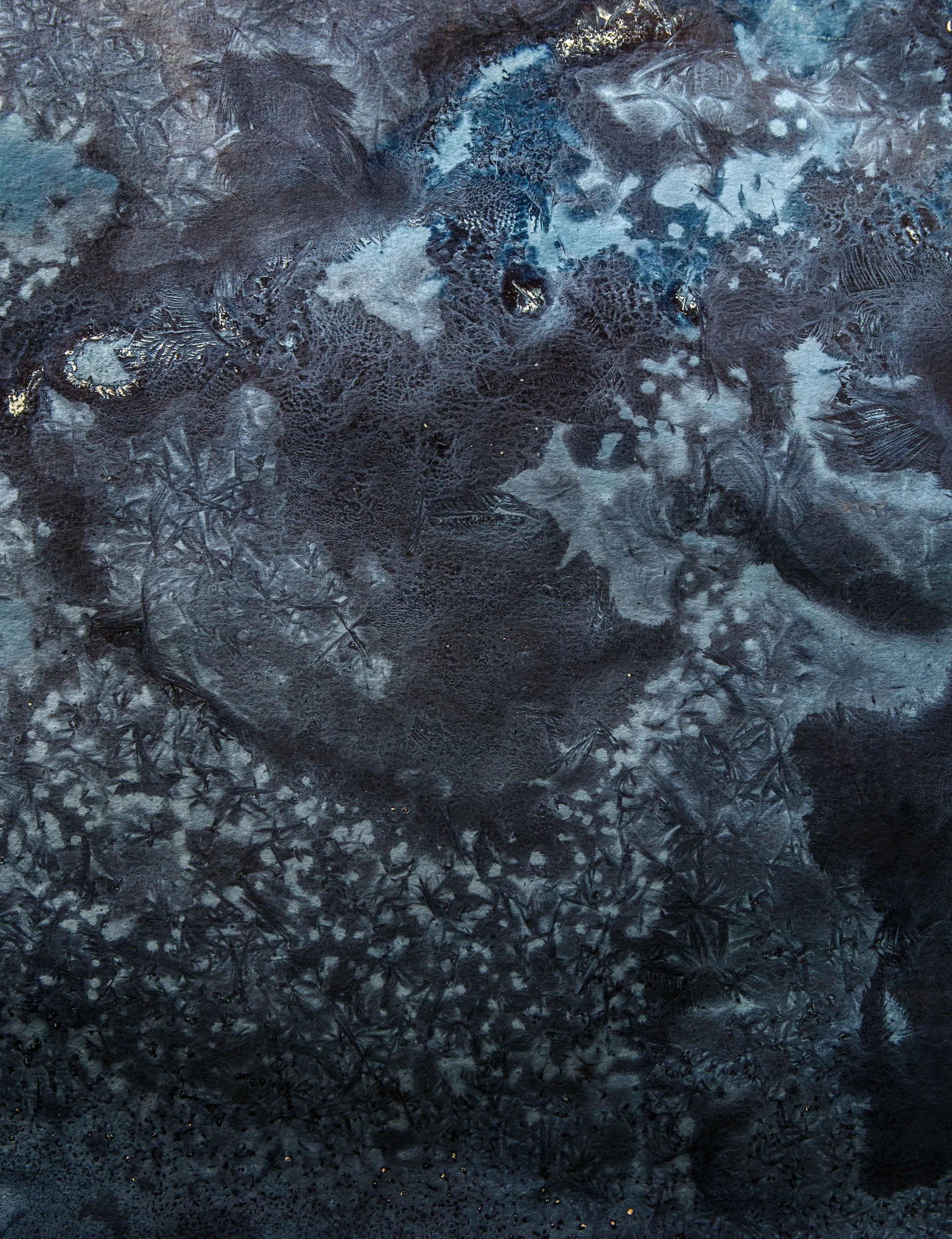
This video documents early fieldwork on Place Glacier undertaken with glaciologist Dr. Brian Menounos. The expedition focused on testing large-scale cyanotype processes and working through the logistical, material, and environmental conditions required to produce the anchoring textile sculptural artwork, Still in Place.
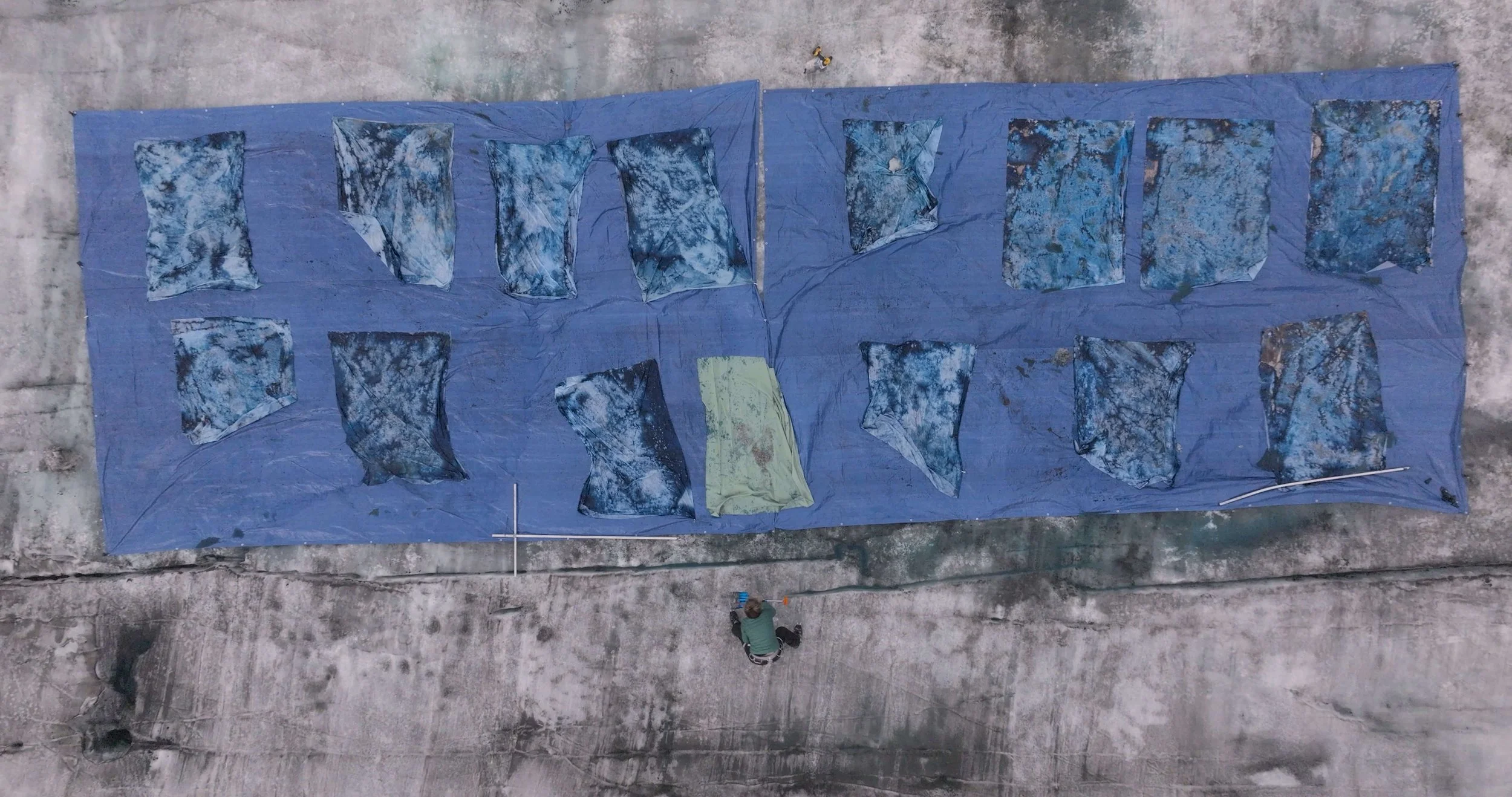
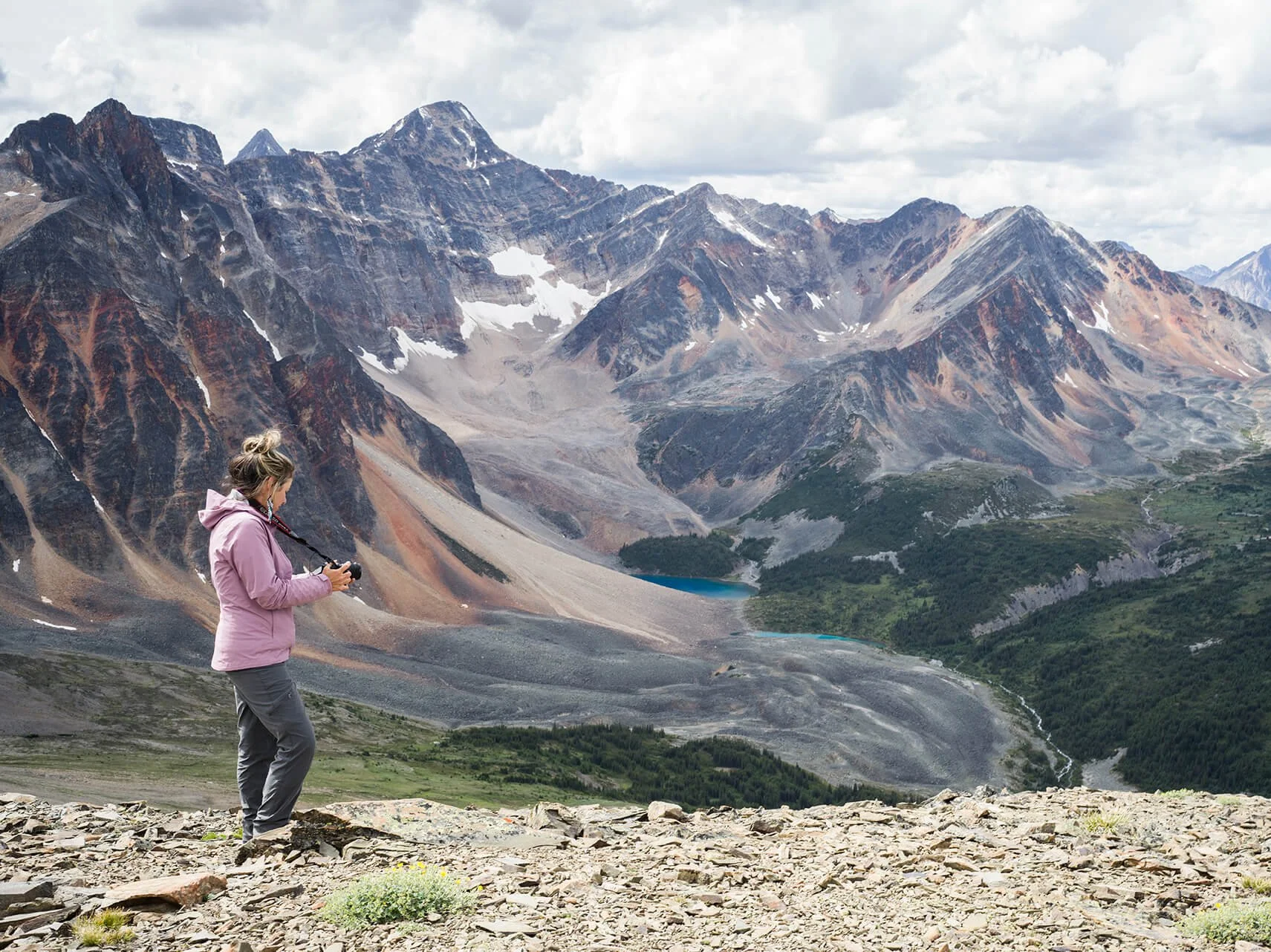
Image by Shane Roy
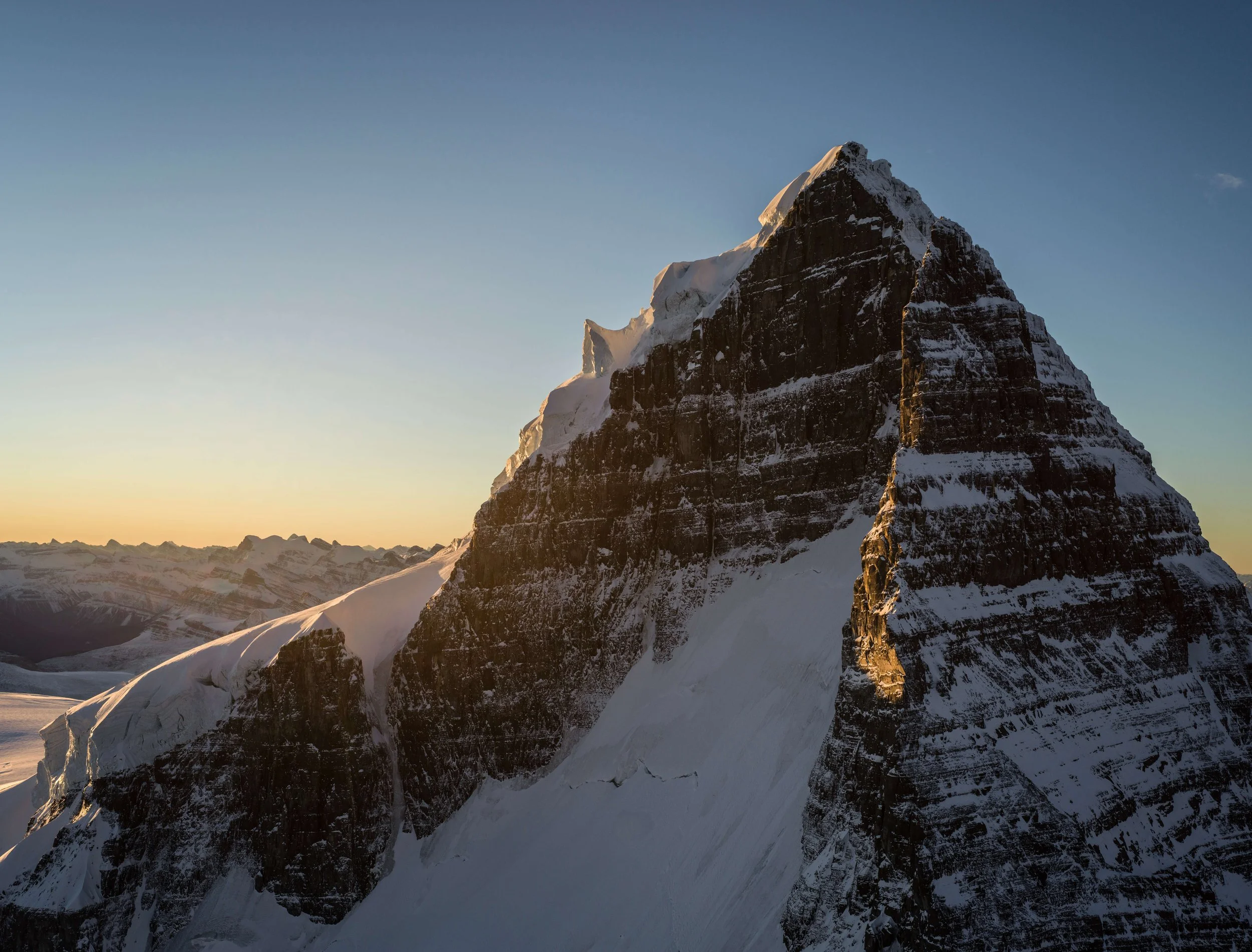
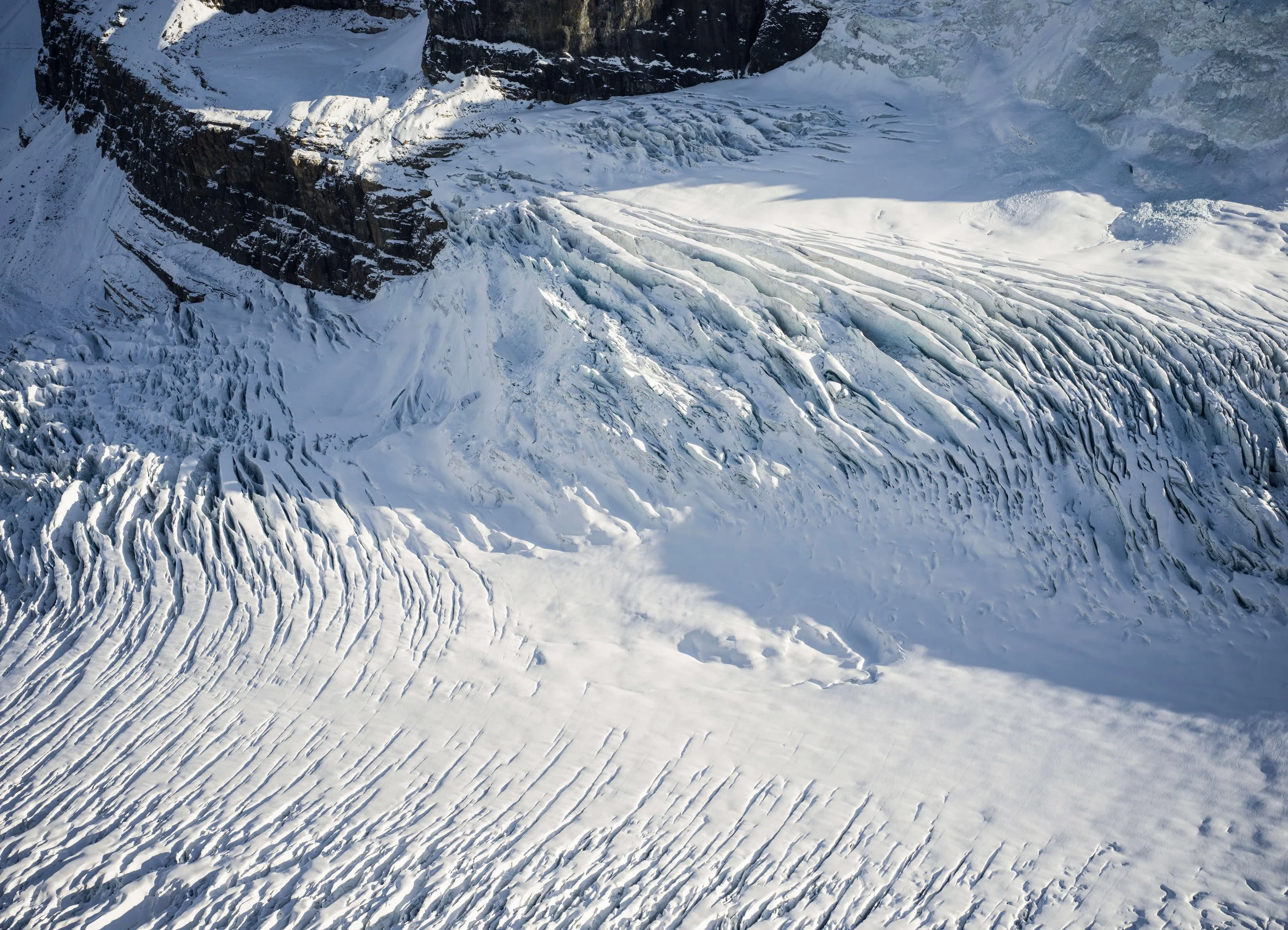
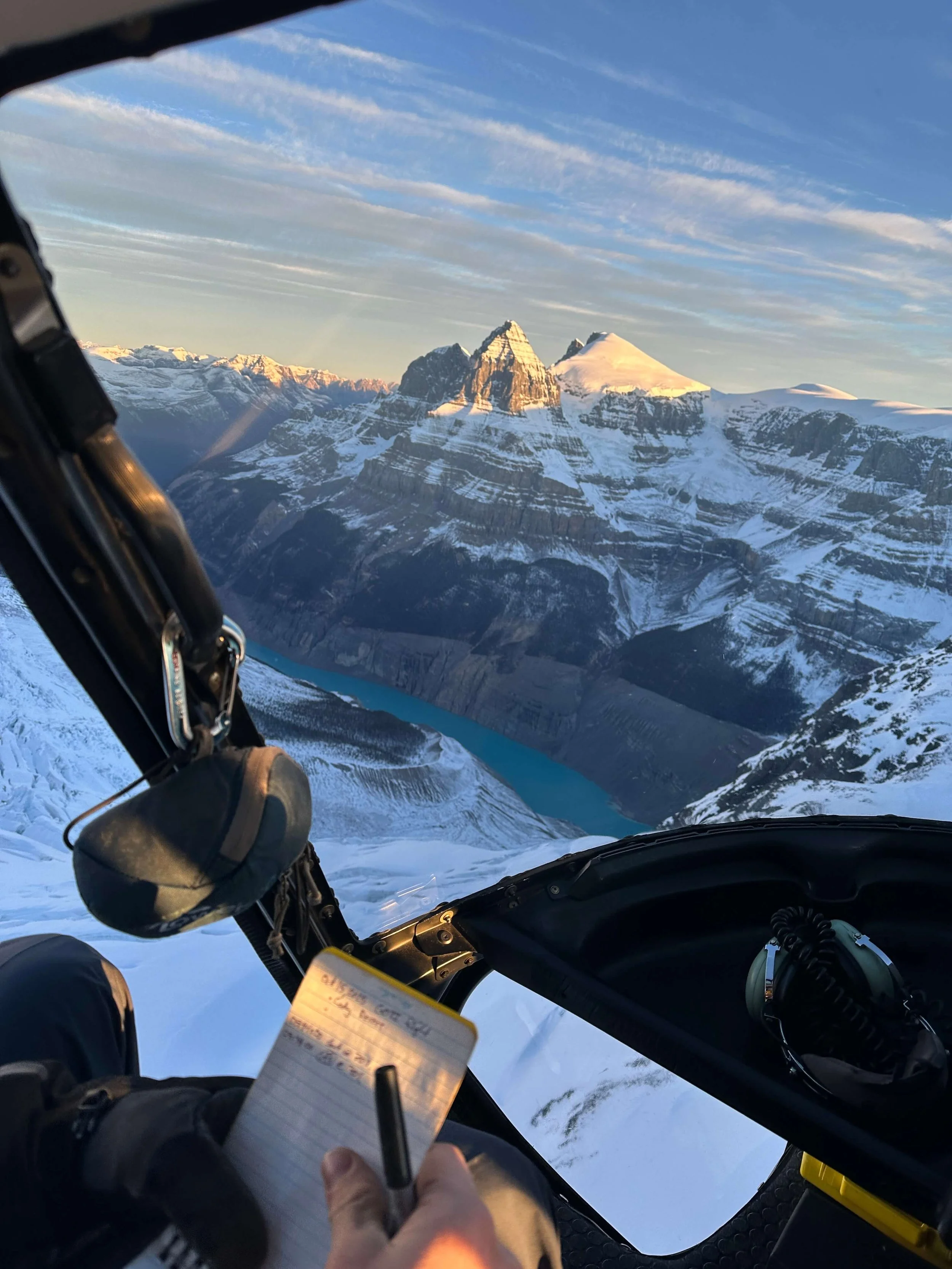
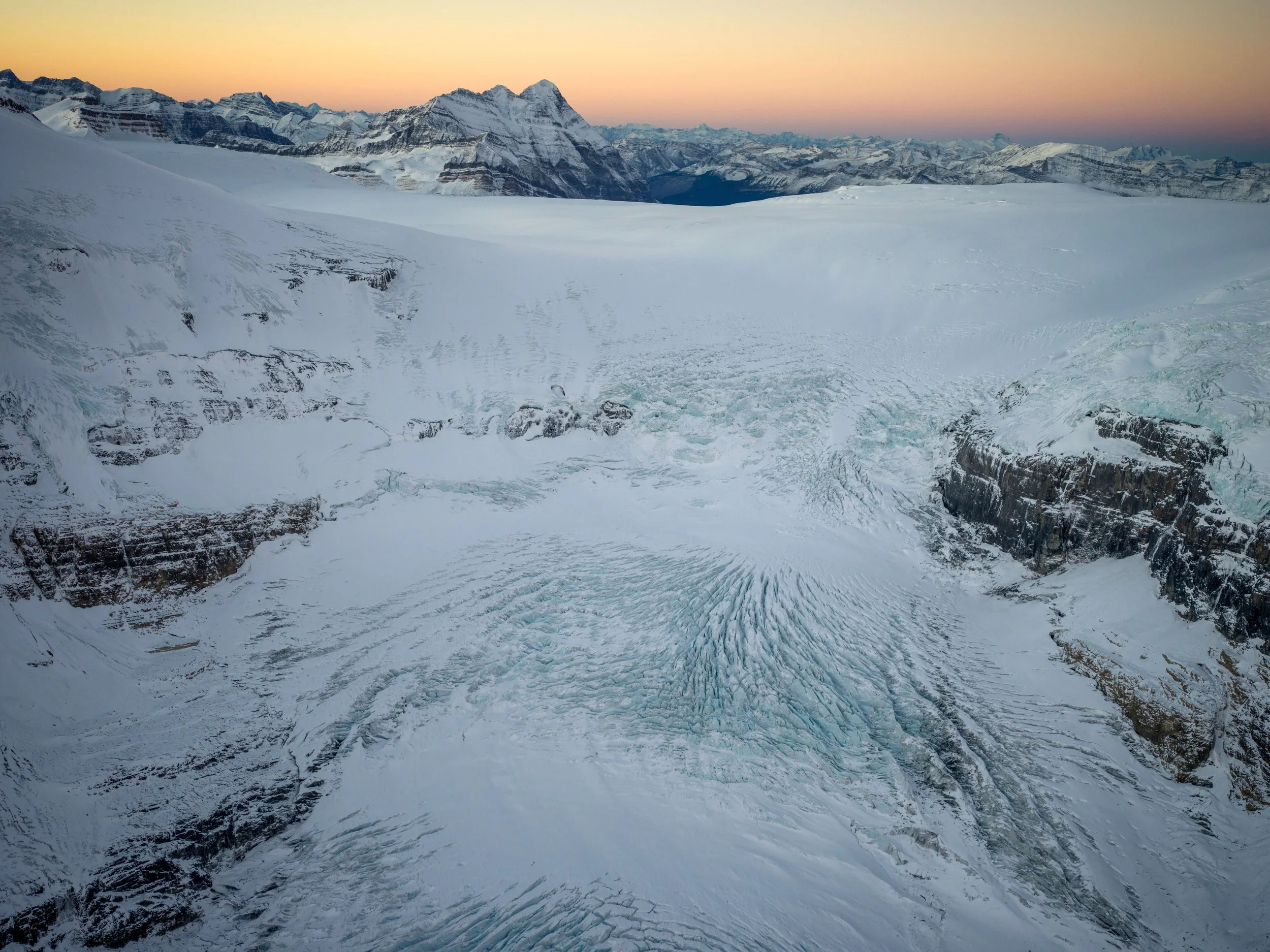
Fieldwork 2025









Collaborators
Dr. Brian Menounos
Scientific Partner, University of Northern British Columbia
Dr. Menounos is Canada Research Chair in Glacier Change. His research examines the past, present, and future of western Canada’s glaciers, including how meltwater, sediments, and climate shifts shape our landscapes and water security.
Dr. Eric Higgs
Scientific Partner, University of Victoria
Professor of Environmental Studies and founder of the Mountain Legacy Project, Dr. Higgs studies how mountain landscapes are changing and how we can steward them responsibly. His work uses century-old survey images to track ecological transformation across Canada’s peaks.
Dr. Shawn Marshall
Scientific Partner, Environment and Climate Change Canada
A leading climatologist and glaciologist, Dr. Marshall focuses on climate change impacts in western Canada. He previously held the Canada Research Chair in Climate Change and now advises federal policy through Environment and Climate Change Canada
Robert Sandford
Hydrology Advisor, United Nations University
Robert Sandford bridges global climate science with public policy. His work translates research into accessible frameworks that help government and communities understand risk and take informed action on water and climate resilience.

Dr. Lori Daniels
Scientific Partner, University of British Columbia
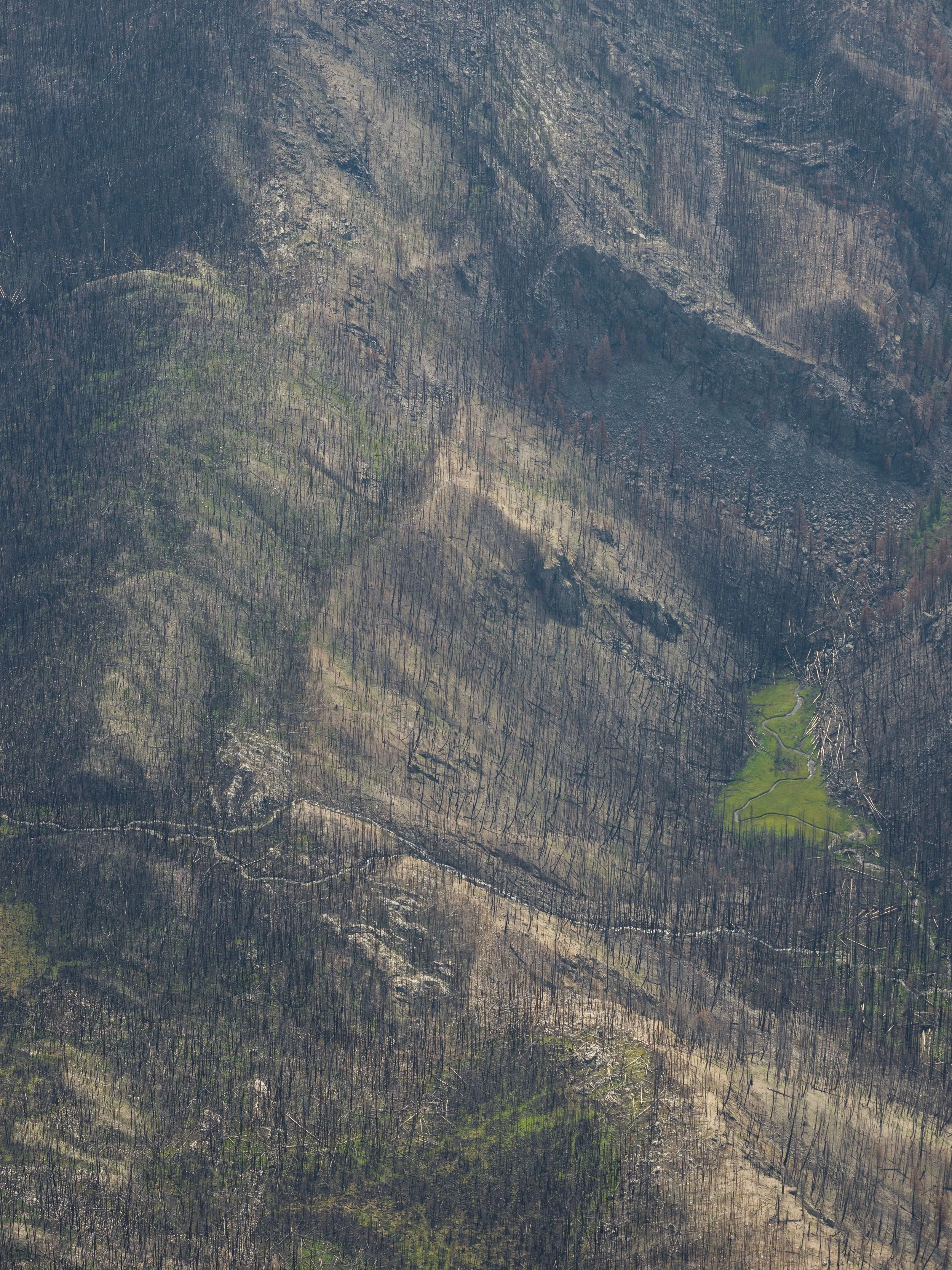
A leading forest ecologist, Dr. Daniels investigates how climate, wildfire, and human activity drive forest resilience. Her partnerships support real-world conservation and adaptation strategies across British Columbia.
Dr. Jeanine Rhemtulla
Scientific Partner, University of British Columbia
Dr. Rhemtulla studies how to restore multifunctional landscapes that balance ecosystem health, biodiversity, and community needs. Her work bridges ecological science with sustainable land stewardship
Natalie Krizan
Scientific Partner, MSc Researcher, University of Lethbridge
A wildfire researcher studying Jasper National Park, Natalie assesses how changing fire regimes affect montane ecosystems, using lidar and site-based analysis to document shifts in severity and recovery.
Dr. Laura Chasmer
Scientific Partner, University of Lethbridge
Dr. Chasmer uses geospatial and field-based methods to understand how wildfires, permafrost thaw, and land disturbances are reshaping forests and wetlands in Canada’s North.
Dr. Chris Hopkinson
Scientific Partner, University of Lethbridge
An expert in remote sensing of terrestrial ecosystems, Dr. Hopkinson leads research using airborne lidar to map and measure earth surface changes with high precision across mountain and forest environments.
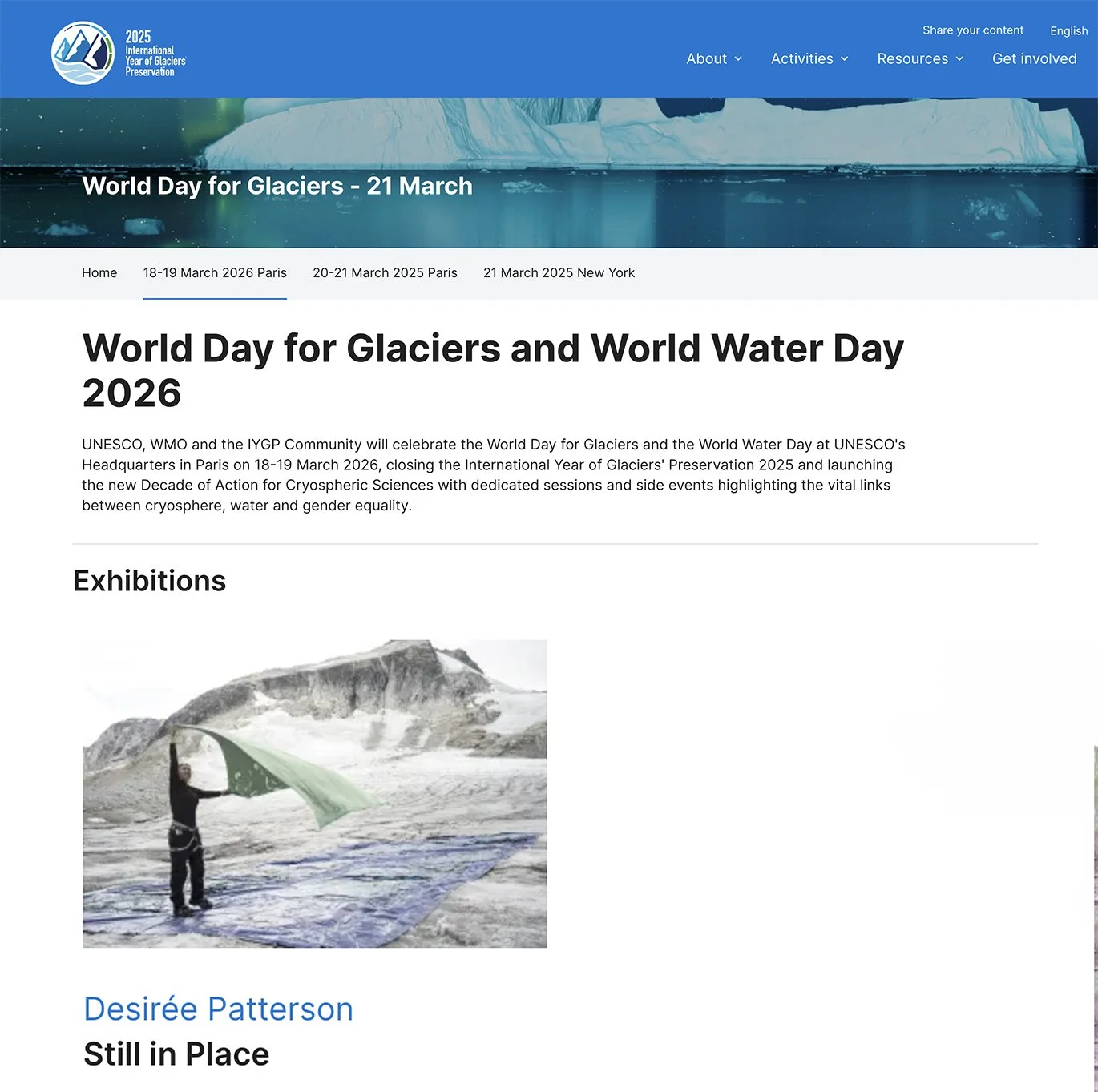
Invited by UNESCO to present work at its Paris Headquarters for the 2026 World Day for Glaciers events and the launch of the Decade of Action for Cryospheric Sciences.
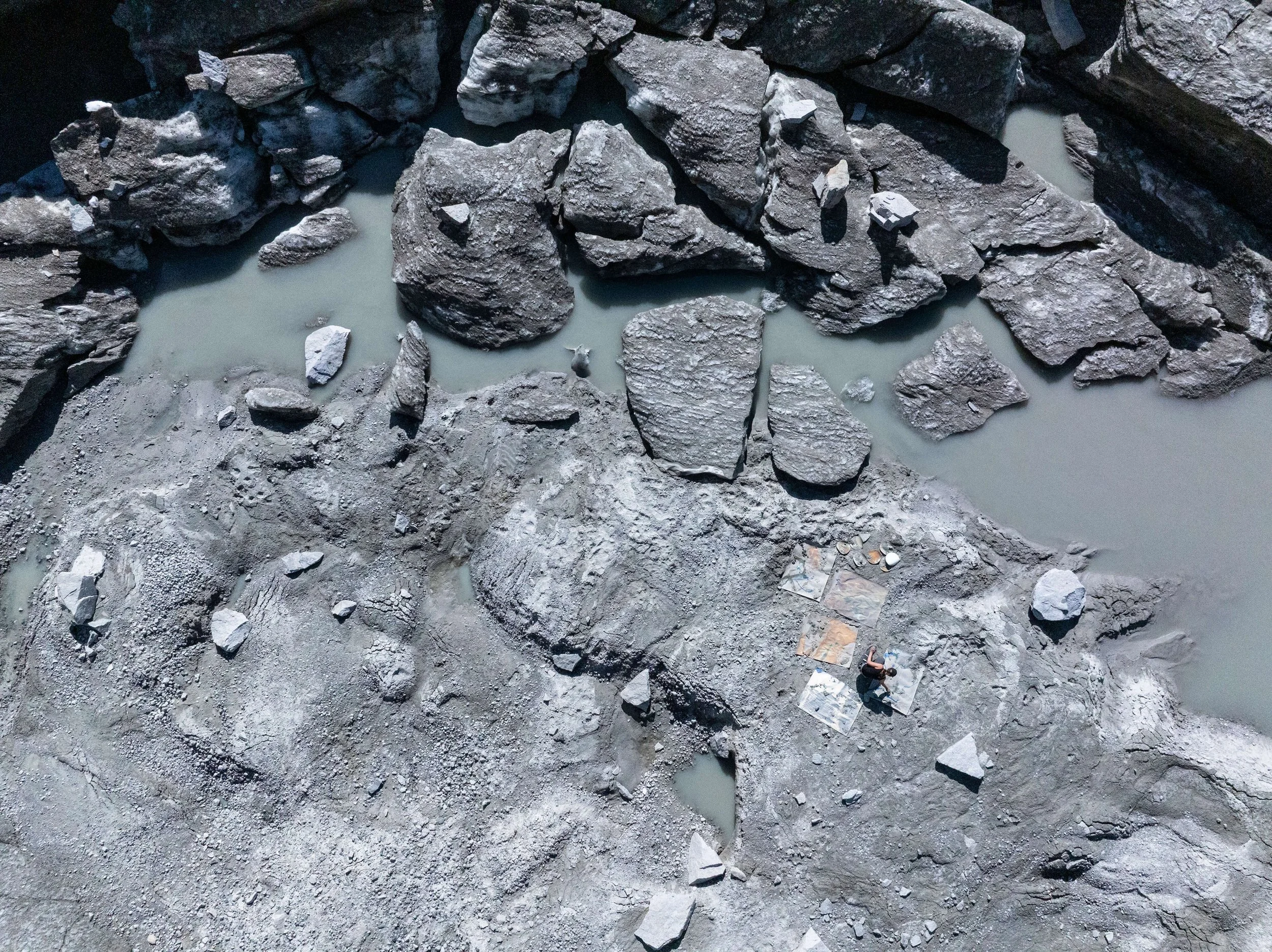
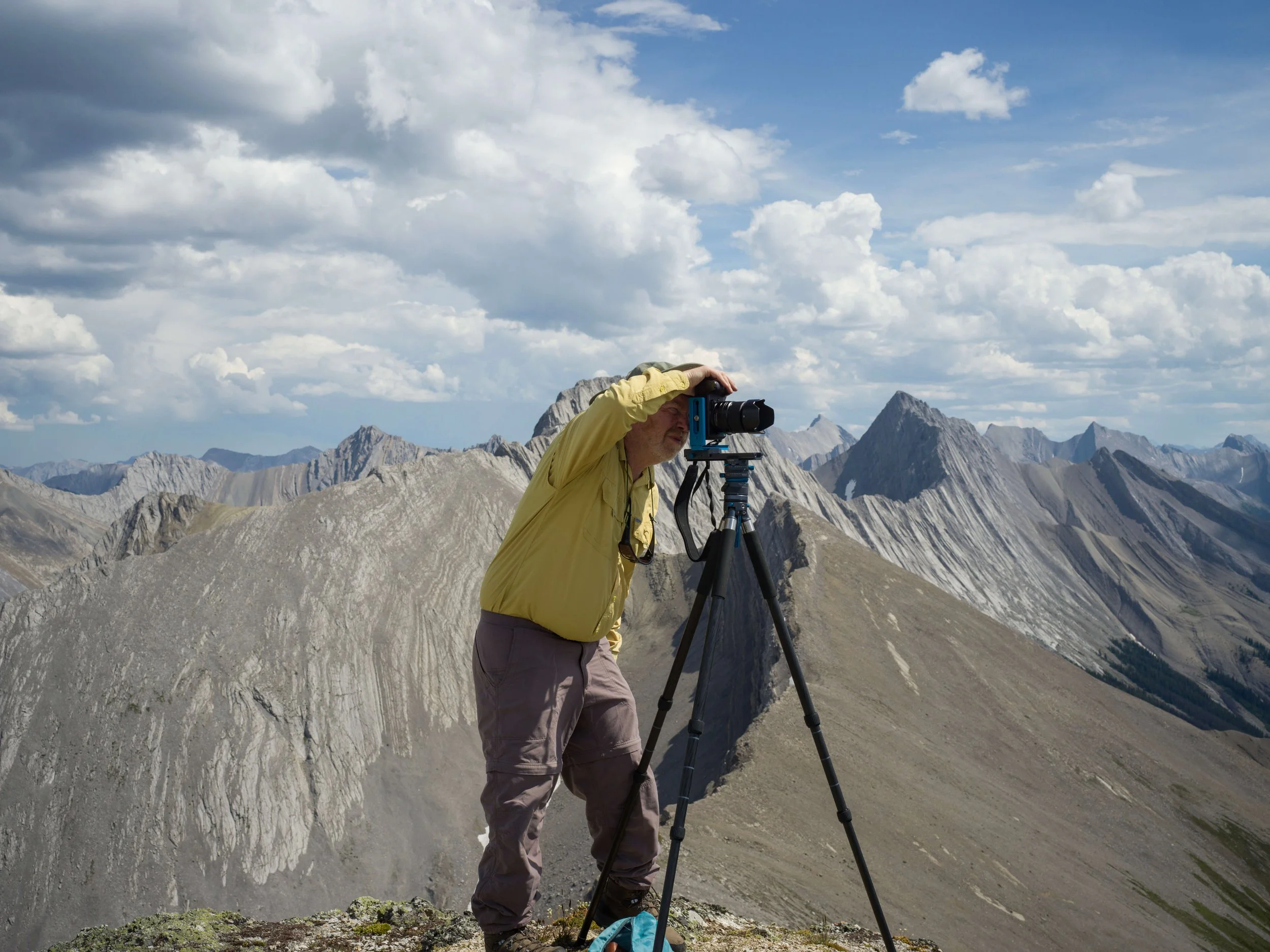
Image by Shane Roy